
Ember Coast Rally review: Grip at the edge of the Pacific
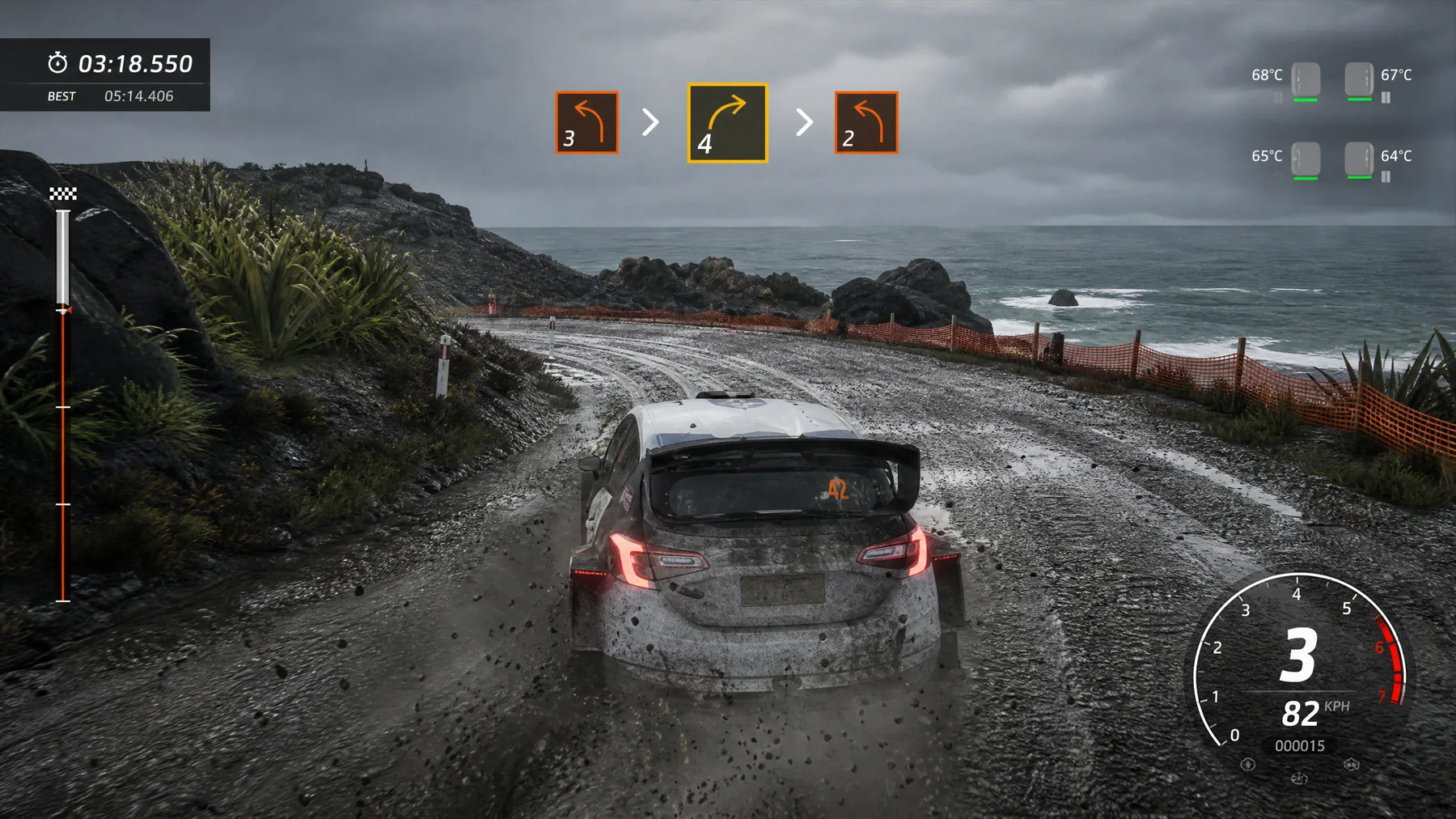
There is a distinct moment in Ember Coast Rally when you realise that raw speed is secondary to survival. Throwing a turbocharged Group A machine into a wet gravel hairpin overlooking the Pacific Ocean, the back end stepping out over the sheer drop, your eyes instinctively dart to the corner of the screen. The tyre temperature gauge flashes amber, the pace notes cascade down the HUD, and the stage timer relentlessly ticks away. It is a brilliant, terrifying snapshot of what makes this modern rally simulation so compelling on PC, PlayStation 5, and Xbox Series consoles. Achieving a 9.1 score from us is no small feat, but this title manages to perfectly capture the gruelling, knife-edge tension of the sport.
At its core, Ember Coast Rally is built around an intricate physics model that demands respect. The handling is uncompromising, requiring players to understand the nuanced interplay between momentum, weight transfer, and traction. But the true star of the show is the dynamic surface evolution and the complex tyre heat simulation. As you tear through the rugged New Zealand coastal stages, the gravel ruts deepen, the mud thickens, and the tarmac sections become polished and slick. Every passing car alters the track, meaning that running first on the road is a vastly different experience from running tenth.
Mastering the Elements
Tyre management is paramount. Push too hard on a dry tarmac section with soft gravel tyres, and the HUD's temperature readout will spike into the red. Overheated rubber degrades rapidly, leaving you with zero lateral grip when you inevitably transition back to the loose stuff. Conversely, being too cautious in the wet means the tyres never reach their optimal operating window, resulting in a terrifying lack of bite under braking.
The weather system further complicates matters. A stage might begin under a pale, overcast sky, only for a torrential downpour to sweep in from the Tasman Sea halfway through. The transition is seamless and terrifying. The rain doesn't just reduce grip; it fundamentally changes the character of the stage. Puddles form in the ruts, creating aquaplaning hazards, and the once-predictable gravel turns into a treacherous slurry.
The Voice in Your Ear
Of course, you are never truly alone out there. The co-driver system in Ember Coast Rally is arguably the best in the business. The timing of the pace notes is impeccable, and crucially, fully adjustable. You can tweak the delivery to be earlier or later depending on your preference and reaction times. The vocal performance is brilliantly authentic, with the co-driver's tone shifting from calm professionalism on the straights to breathless urgency during complex technical sections.
"The co-driver's tone shifts from calm professionalism to breathless urgency, perfectly mirroring the escalating tension of a stage."
Between stages, the focus shifts from driving to survival. The service park mechanics are brutal and unforgiving. You are given a strictly limited service time to repair the inevitable damage sustained out on the stages. The repair-allocation HUD forces you to make agonising choices. Do you spend your precious minutes fixing the mangled suspension, or do you patch up the radiator to prevent the engine from overheating? You rarely have enough time to fix everything, forcing you to limp through subsequent stages with a compromised vehicle.
Setup and Sensation
Vehicle setup is equally crucial. The garage offers a dizzying array of telemetry and tweaking options, from ride height and damper rebound to differential locking and brake bias. While daunting for newcomers, the game provides clear, concise explanations for every setting, allowing you to gradually learn the dark art of rally mechanics. Finding the perfect setup for a specific rally is immensely satisfying.
Translating all this complex physics into a tangible experience is where Ember Coast Rally truly shines. On a force feedback steering wheel, the game is nothing short of revelatory. You can feel every rut, every change in camber, and the exact moment the front tyres lose traction. But what is truly impressive is how well the experience translates to a standard controller. The developers have implemented a sophisticated filtering system that smooths out twitchy thumbstick inputs while still providing a deep sense of connection to the road. The haptic feedback on the PS5's DualSense controller is particularly noteworthy, using the adaptive triggers to simulate the grinding resistance of the brake pedal.
Performance and Accessibility
Technically, the game is a powerhouse. On current-generation consoles, you are offered the standard choice between a 4K resolution mode targeting 30 frames per second, and a performance mode that drops the resolution to maintain a rock-solid 60fps. For a game that relies so heavily on split-second reactions, the performance mode is absolutely essential. The sense of speed is blistering, and the engine maintains its frame rate even when the weather effects are at their most intense.
Despite its hardcore simulation roots, Ember Coast Rally makes a commendable effort to welcome newcomers. The accessibility assists are robust and granular. You can toggle anti-lock brakes, traction control, and stability management, but the game goes further, offering automatic wiper controls, simplified damage models, and even a rewind feature for the more casual modes. Crucially, these assists don't feel like a compromise; they allow players of all skill levels to experience the thrill of rally driving.
The Final Verdict
Ember Coast Rally is a triumphant achievement in the racing genre. It captures the raw, visceral thrill of throwing a car down a narrow dirt track at inadvisable speeds, while simultaneously delivering a deep, cerebral simulation of the sport's mechanical and strategic elements. The interplay between the tyre heat model, the dynamic weather, and the surface evolution creates an endlessly replayable experience.
- Pros: Incredible tyre physics, stunning weather effects, and superb controller implementation.
- Cons: The steep learning curve may still deter some casual racing fans.
It is a game that demands your full attention, punishing complacency but immensely rewarding skill and bravery. Whether you are gripping a high-end direct drive wheel or a standard console controller, the connection to the car and the road is superb. The developers have crafted a rally experience that feels authentic, challenging, and above all, exhilarating. It is a brilliant addition to the pantheon of great racing games, and a must-play for anyone who has ever dreamed of conquering the gravel.